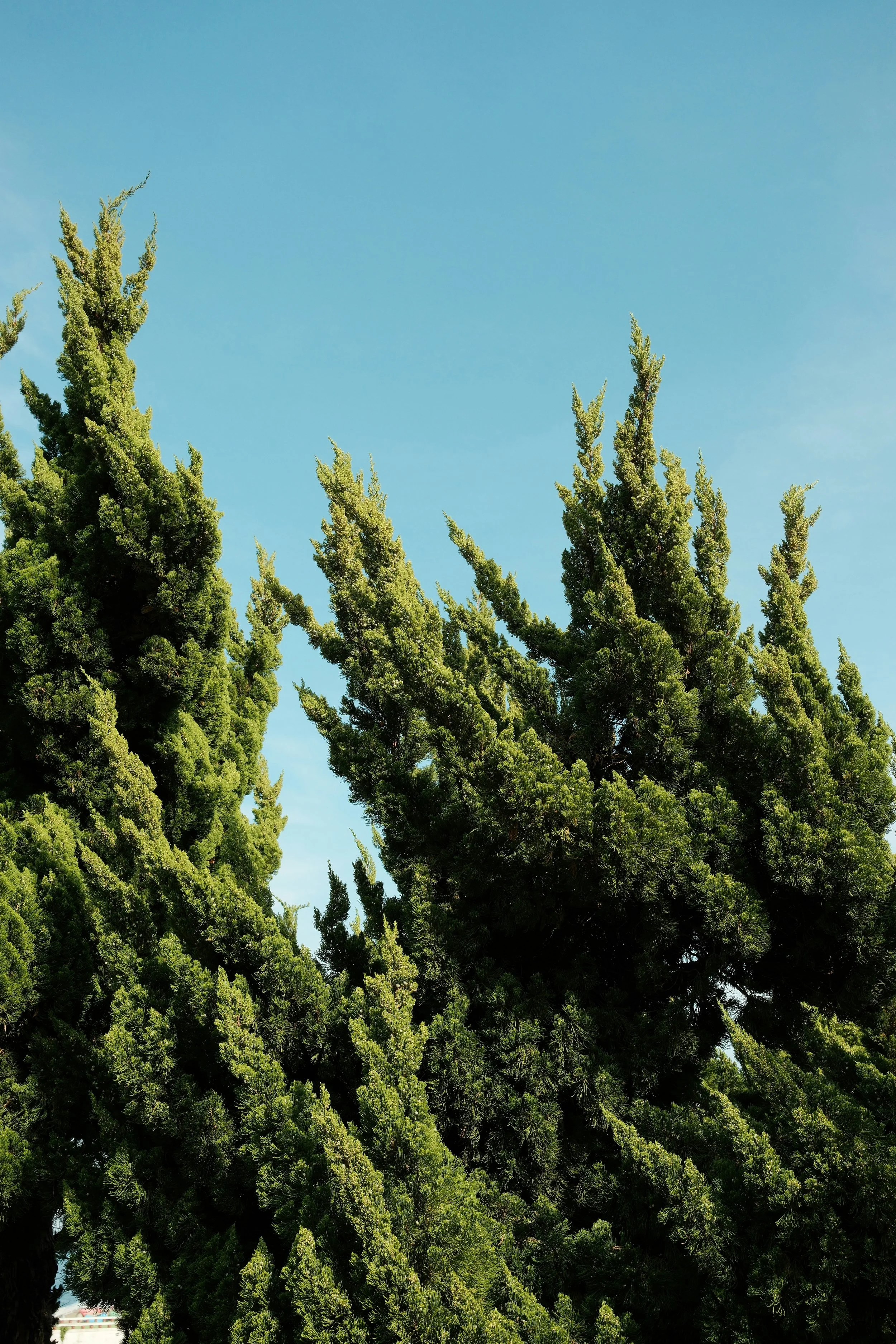
If Trees Could Talk, ‘Wonder What They’d Say?
By Elizabeth Bryant
“Now, when I was first told this, I thought, but girl! Nothing more could be said? No thanks to them for your life or that you loved them? But of course, I know better now the limitations of language. I was foolish and had lived only inside the veritability of language.”
June 29th, 2026
New president today. He’s not tall but looks big on T.V., which matters.
Anyway, last night, I dreamt about the old couple who live up on top of the valley in that tiny house made of rocks. You know the house; it disappears and reappears depending on the sun’s position to the horizon. It’s a trick of the mind. Mind you, the two who live there? They are so old. It’s like they’ve been here forever, all the way back to when the river filled the entire valley and carved out its walls as the valley pulsed with glacier water.
All I know is that years ago, a great-great-granddaughter and the last of their line who remembered where they were, came to visit the old couple. She came and looked at them, their skin covered in dust, their feet cracked, and fingers doubled over on themselves and, as gently as one might handle a baby, she’d bathed them both.
She poured Florida water over their heads and rubbed oil into their leathered skin and braided their big bushy hair into neat plaits that wiggled into swooping curls, springing out from their heads like wild vine.
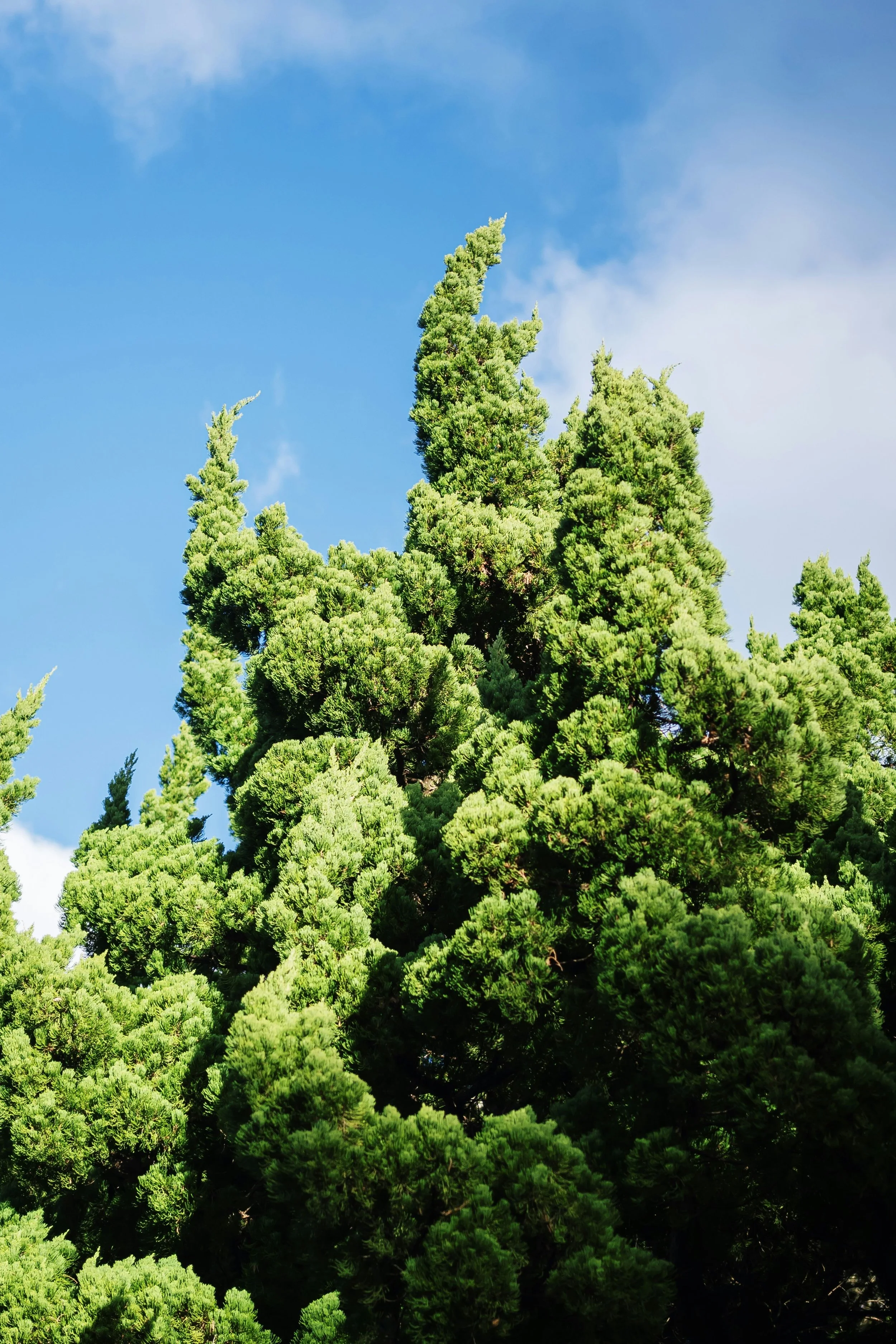
All of this was done in silence, because the ancient couple had ceased to speak before the turn of the last century, themselves being able to communicate through symbols in nature.
Before this great-great-granddaughter went away, she turned to the couple and said that she would not see them again. She said that she was sorry, but she intended to leave this godforsaken country and begin anew on another continent. “In the Motherland” she had said, trying to be specific. She said this into their shining faces, freshly oiled and stone-still like the trunks of beech trees, and then she turned to leave, shutting the door behind her without a second glance.
Now, when I was first told this, I thought, but girl! Nothing more could be said? No thanks to them for your life or that you loved them? But of course, I know better now the limitations of language. I was foolish and had lived only inside the veritability of language. Naturally, she had thanked them. As she rubbed oil into their skin, as she washed and braided their hair, as she fled. After all of this, the woman left the country, and in her wake the old couple was forgotten by the family they had once begun on the western edge of the Atlantic.
Before long, the old couple’s braids grew over themselves into thick locs, and because of the close distance they kept some of the hair twisted and came together, fusing a line between their heads like telephone wire. It had become so natural to move in such a close way that one never strayed far enough from the other to notice.
They moved about slowly, mostly just to the porch where they let the sun wash their faces and where, looking out over the valley, they spoke to each other through symbols in nature.
In time, most of the townspeople forgot about them, and this afforded the power of near invisibility, so that if the old couple were to venture further out into the yard or down the street, an onlooker might hardly bother a glance, believing them to be a stump in the periphery. It is well possible, reader—and I, a former reporter of the news in this town cannot overstate the likelihood—that even you have seen them there, maybe even looked upon them directly.
Perhaps you looked and thought, my my, what a beautiful tree. How its trunk forks just so in the middle; how its pendulous boughs drape like a curtain of stars.
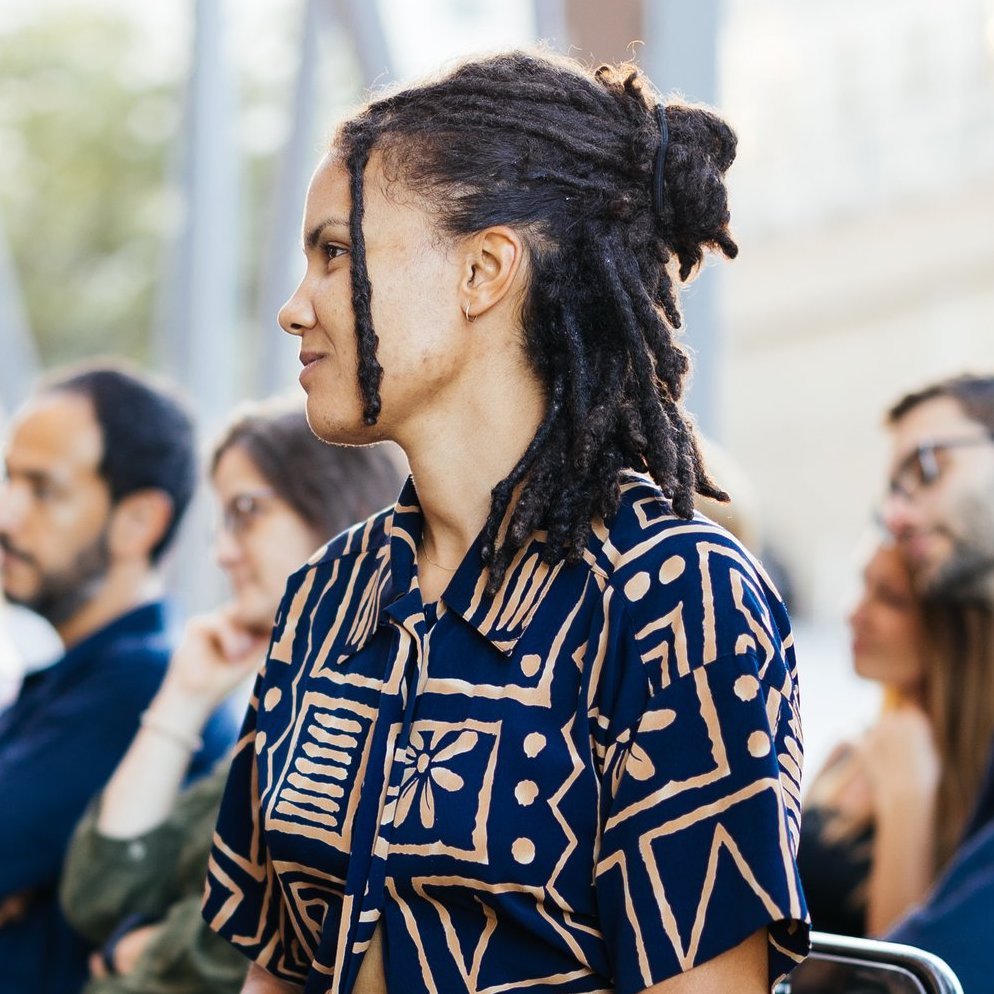
Elizabeth L.R. Bryant is a writer from St. Peter, Minnesota. Her writing explores black interiorities in rural and small town spaces in the midwest. She has studied history and Black studies, and worked as a barista, literary nonprofit manager, nanny, publicist, events programmer, butcher and farmer-trainee. Elizabeth is a founding member of the Minneapolis-based artist collective Burn Something, and earned her MFA in fiction from the University of Maryland.